


The House Always Wins? Not If You Understand Variance
The most dangerous phrase in gambling isn't "all in" or "let it ride." It's "it's due." Every roulette player who's watched black come up nine times in a r
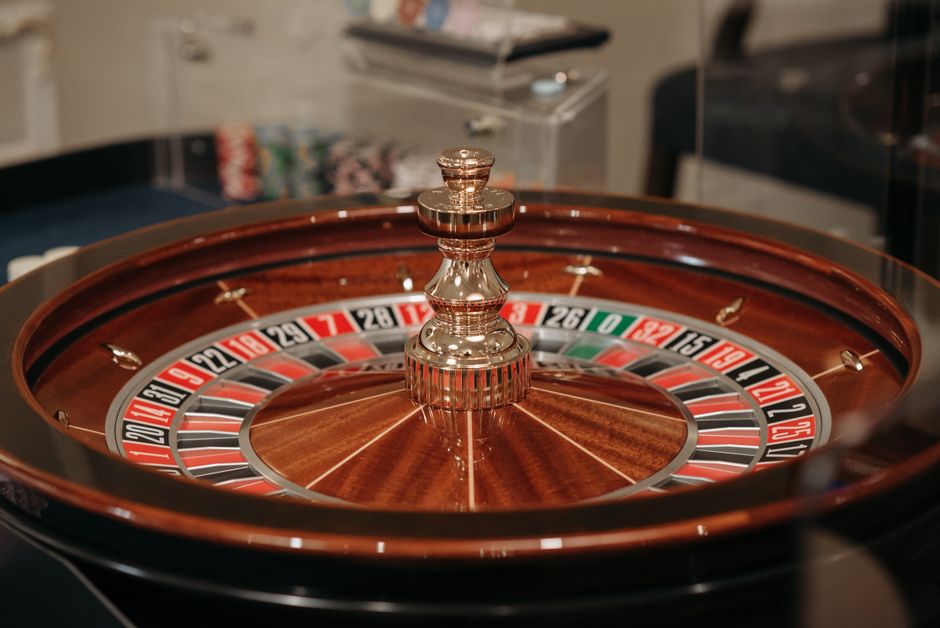
The most dangerous phrase in gambling isn't "all in" or "let it ride." It's "it's due." Every roulette player who's watched black come up nine times in a row feels that pull—the certainty that red simply must hit next. It won't. The wheel has no memory, and your gut instinct is running on a cognitive bug that casinos have been monetizing since the 17th century. Understanding why your brain falls for this, and how professional bettors sidestep it, is the single biggest edge most casual players never bother to develop.
Why "Due" Is a Dangerous Word
Roulette is the cleanest example because the math is so transparent. On a European single-zero wheel, the probability of red on any spin is 18/37—about 48.6%. It doesn't matter if black just hit twelve times. It doesn't matter if red won the last three spins. Each spin is independent, and the probability is identical. The American double-zero wheel is worse: 18/38, roughly 47.4%, and that extra green pocket quietly adds 2.7 percentage points to the house edge.
Slots work the same way but with an extra layer of deception. Modern video slots use a Random Number Generator that cycles thousands of times per second—far faster than any human can time a press. The reels you see spinning are pure theater, a calculated animation played after the RNG has already decided your outcome. The machine sitting cold for twenty minutes isn't "ready to pay out." It's a coin-flip with a 96% return-to-player rate spread across millions of spins.
Where this gets philosophically interesting is poker, the one game in the casino where past outcomes genuinely matter—though not in the way most players think. In a single hand, the cards you were dealt last round are irrelevant; the deck is reshuffled. But across an entire session, the patterns of your opponents do carry information. If a tight player who hasn't raised in an hour suddenly shoves all-in, that's not variance—that's a signal. Reading people is the only place where history has predictive value at the table.
The Bankroll Rules That Actually Keep You Playing
Variance is the reason bankroll management exists. Imagine you're a winning blackjack player with a 0.5% edge—rare but possible with perfect basic strategy on a favorable rule set. Even then, a standard deviation of roughly 1.15 bets per hand means a thousand-hand session can swing wildly against you. Play too large relative to your bankroll and one bad run ends you before your edge ever materializes.
The professional rule of thumb for advantage players is somewhere between 50 and 100 max bets as a starting bankroll, with adjustments for the volatility of the specific game. Slots are far more volatile than blackjack—some high-variance jackpot machines have standard deviations above 20 credits per spin—which means you need a much deeper buffer if you play them seriously.
- Set a session loss limit before you sit down. Not a number you feel is "probably fine"—a number you can genuinely walk away from without chasing.
- Separate bankroll from life money. Rent money and gambling money should never occupy the same account, let alone the same thought.
- Track your results honestly. A simple spreadsheet with date, game, buy-in, and cash-out destroys the memory bias that convinces you you're up for the year.
- Size down, not up, when you're losing. The instinct to double bets to "get it back" is the fastest documented route to ruin in gambling literature.
Reading True Odds: House Edge by the Numbers
Not all games are created equal, and knowing where the edge hides is essential if you're choosing what to play rather than being herded by the casino floor layout.
Blackjack with perfect basic strategy and 3:2 payouts runs around 0.5% house edge. Baccarat—specifically the banker bet—sits at roughly 1.06%. European roulette is 2.7%. American roulette is 5.26%, and slots typically range from 2% to 10% depending on jurisdiction and machine type. Video poker varies enormously; Jacks or Better at full pay is under 0.5%, while some gimmick machines exceed 5%.
Poker is the outlier: against the house, you're not playing the house at all. You're playing other humans, paying only a rake—usually 5% up to a capped amount like $3 or $5 per pot. A skilled player's edge comes from exploiting weaker opponents, and the house simply takes its cut. This is why poker is the only casino game where long-term winners exist in meaningful numbers. For more on this, see สล็อตเว็บตรง.
Sports bettors face a subtler version of the same math. The standard -110 line on both sides of a spread implies a 52.4% implied probability on each—meaning you need to win just over 52.4% of your bets to break even. That 2.4% gap is the bookmaker's margin, embedded invisibly in odds that look roughly symmetric.
The Variance Trap in Tournament Poker
One of the most misunderstood concepts in poker is how much variance even excellent play tolerates. A player with a 10% return on investment in tournaments can expect losing streaks of 30 or more buy-ins to occur with real regularity—not because they're playing badly, but because tournament payouts are top-heavy and the field sizes are brutal.Consider a 1,000-player tournament where first place earns 30% of the prize pool. Finishing in the money at 12% of the field sounds respectable, but the return-on-investment math is dominated by deep runs. This is why tournament bankrolls need to be 100 to 200 times the buy-in, while cash game bankrolls might only need 20 to 50 times. Same game, entirely different risk profile.
What This Means for How You Play
Don't evaluate a single session's results. Don't even evaluate a single month. Variance operates on cycles that humans are wired to find uncomfortable—months of grinding through losing sessions followed by a burst that erases all of it. The players who survive aren't the ones with the best hot streaks. They're the ones who stick to decisions that are correct in the long run, regardless of what the short run delivers.
The psychological discipline this requires is enormous, which is why so many good poker players still go broke. They tilt—they let a bad beat change how they play the next hand, the next hour, the next session. The best players in the world lose huge pots constantly. What separates them from the field is that losing doesn't change the plan.
The Bottom Line
You can't outplay randomness, but you can outthink the psychology it triggers. The house makes its money from players who confuse short memories with intuition, who treat losing streaks as cosmic debts owed to them, and who size their bets by emotion rather than by math. If you internalize nothing else from this article, remember that every bet stands alone—and the only things you control are the odds you accept, the size of your stake, and whether you walk away at the limit you set. Master those three and you're already ahead of the vast majority of people who ever sit down at a table or open a slot paytable.


Post a comment